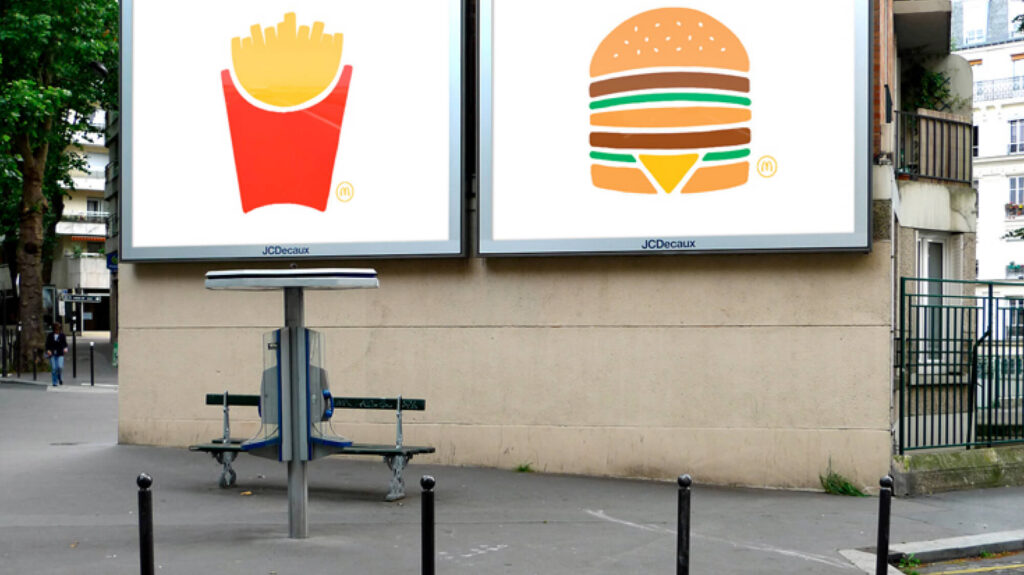
Reach, impressions, and clicks can all be great ways to figure out how successful your non-brand campaigns are, but they can’t look inside your...


Category
Reach, impressions, and clicks can all be great ways to figure out how successful your non-brand campaigns are, but they can’t look inside your...
Brand awareness is one of the most cited and important marketing objectives, yet one of the most loosely measured.
When it comes to advertising effectiveness measurement, the metrics that are easiest to capture are not always the ones that matter most. This is particularly true for brand campaigns, where readily available numbers can seem useful without necessarily showing whether the campaign achieved what really matters.

The whole campaign chain has collapsed to minutes. Briefs, creative, targeting, buying, optimisation, all automated and always on. What used to take a studio a full week now lands in an afternoon, in nine formats.

There is a strange asymmetry at the heart of modern advertising. Media is bought, delivered, and optimised in close to real time. Bids adjust in milliseconds, budgets shift daily, creative rotates on the fly. Yet the measurement of what that media actually does to a brand has remained stubbornly retrospective.

Brand trust has become a key driver of purchase decisions, yet it remains difficult to measure. With trust shaped by multiple factors, how can brands isolate and quantify the real impact of advertising on consumer confidence?

Marketing is all about metrics. Data is constantly being collected, transformed and used by marketers across the world. But what happens when you need to measure something intangible? Measuring the impact your ad creative has on campaigns isn’t always as straightforward as it seems.

Brand perception is the set of beliefs, feelings and associations people hold about a brand: whether they see it as trustworthy, premium, dependable, or none of these. It shapes how people choose, yet it rarely shows up cleanly in a dashboard.

Retail media has become one of advertising’s fastest-growing channels. As retailers turn their digital and physical spaces into media platforms, brands are shifting budgets toward networks that offer proximity to purchase, measurable performance, and direct sales impact.

Gaming has become a full cultural ecosystem, and a key opportunity for brands. Here’s what immersive advertising actually looks like now, and how to measure whether it works.

The advertising industry faces an unprecedented paradox. We’ve never had more data sources, targeting tools, or measurement capabilities—yet we’ve also never faced more uncertainty about whether we’re actually reaching the people we intend to reach.

Marketing leaders in 2026 face a paradox: despite having more data than ever, proving campaign impact is harder. Dashboards are filled with metrics, yet finance teams and clients question if these numbers reflect real business impact.

Brand lift measures the incremental change in consumer perception caused by an advertising campaign. It answers a fundamentally different question than performance metrics: did exposure to this campaign change what people think, feel, or remember about the brand?

Retail media has become one of the fastest-growing and most influential channels in modern advertising. As retailers transform their digital ecosystems into powerful media platforms, brands now have the ability to reach shoppers right at the moment of intent.

DOOH measurement goes beyond counting cars that pass a billboard. Delivery metrics confirm a screen played an ad; outcome metrics show whether it made an impact. This guide covers the DOOH metrics that matter, and why ad recall and brand lift prove a campaign actually landed.

Digital audio has become one of the most immersive and emotionally resonant media channels. From podcasting to streaming platforms, listeners choose audio environments with intention — often during moments of high concentration, routine, or relaxation.

When a campaign is live, impressions and clicks tell only part of the story. They can’t show whether the impressions changed how people think and feel about the brand, whether they increased awareness, recall and intent.

In today’s highly competitive advertising landscape, it’s easy for brands to get lost in the noise. Consumers are exposed to thousands of messages daily, making it difficult for any single ad to stand out.

Brand awareness, brand recognition and brand lift get used almost interchangeably. They are not the same thing. Each describes a different stage in how people come to know, recognise and choose a brand, and each is measured in a different way.

In a saturated advertising environment, capturing attention is only the first step. What matters most is whether people remember your message. Ad recall helps marketers measure if their campaigns truly leave a lasting impression.

Performance metrics like CTR and CPA can tell you how efficiently your ads are delivered, but they don’t tell you whether your brand message actually landed. If only there was a way to go beyond clicks and cost…

In today’s fragmented media landscape, consumers no longer engage with a single channel or device. One person might watch your ad on CTV, then scroll past your brand on Instagram, and finally encounter it on a digital billboard during their commute.

How do you know if your ads are doing what you want them to do? Advertising effectiveness measurement lets you tell whether a campaign raised awareness, shifted perceptions, or drove an increase in sales.

Every campaign a publisher runs ends with a report: impressions delivered, viewability, completion rates, perhaps a click-through rate. It confirms the ad ran as planned but not whether the campaign changed how anyone thinks about the brand, and that second question increasingly decides where the next budget goes.

CTV ad measurement has come a long way from the gut-feeling measurements that defined television for decades. Connected TV changed the way ad professionals gather audience data. Rather than relying on educated guessing, internet-connected televisions can generate real, granular data to help inform your campaigns.

In 2025, measuring the true impact of your advertising campaigns is more important than ever before. As brands are being asked to do more with less, understanding ad impact and ensuring return on investment are priorities.

Choosing the right KPIs to measure ad effectiveness is key to maximizing ROI. At Happydemics, our benchmarks show strong correlations between creative quality and impact indicators , evolving throughout the funnel and across different media.

With cookies disappearing and privacy becoming paramount, advertisers need better ways to...

Third-party cookies are being phased out, and marketers everywhere are rethinking how to engage and target audiences effectively. Advertising without cookies doesn’t mean advertising without performance—it means redefining how to reach audiences effectively.

Measuring Brand lift has essential advertisers who want to go beyond surface-level metrics like clicks and impressions. But what is brand lift measurement—and why does it matter so much today?

Happydemics is delighted to support Deezer in measuring its advertising effectiveness. Find out...
Why Marketing ROI Still Feels So Hard to Prove For many marketers, ROI in marketing remains one of...
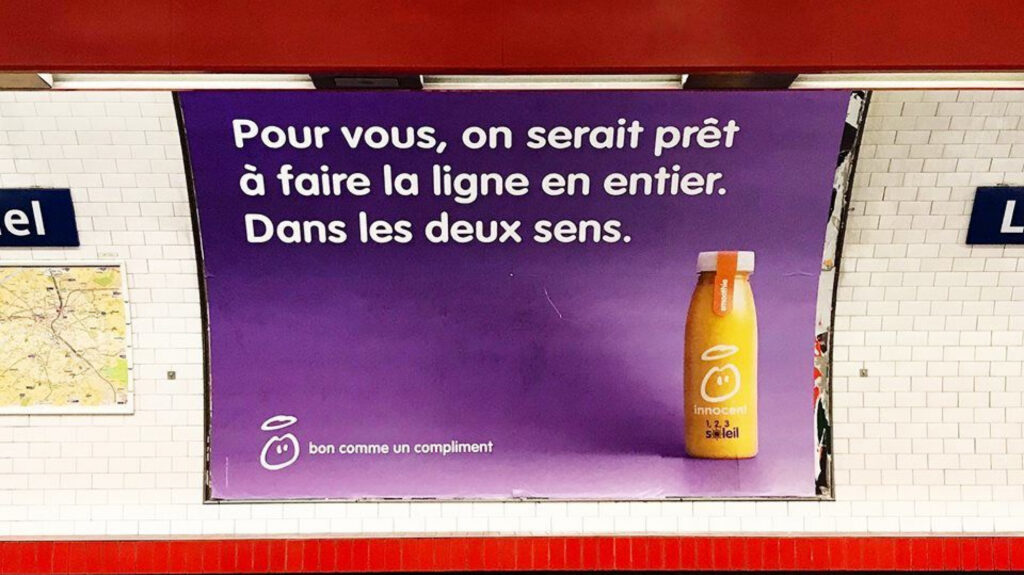
Locala enables brands to optimize their media activation strategy in order to maximize the impact...

Brand lift is a tool that measures all the impacts generated by an ad on a brand or a product/service. It provides a clear understanding of the impact on brand perception at every stage of the funnel.

So, you've finally launch the campaign you've poured weeks of hard work into. Nicely done - but...