In 1941, the world’s first television commercial ran—a 10-second spot for Bulova watches, broadcast on New York’s WNBT before a baseball game. This pioneering ad marked the dawn of video advertising. The ad cost less than $10 and featured a simple slogan: “America runs on Bulova time.” At the time, few could have predicted the scale of what was to come.
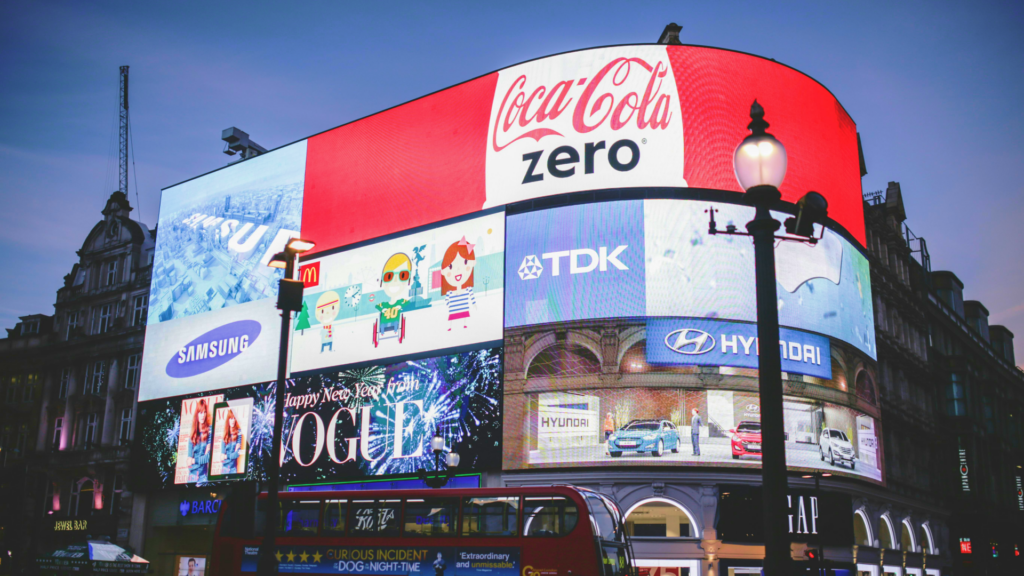
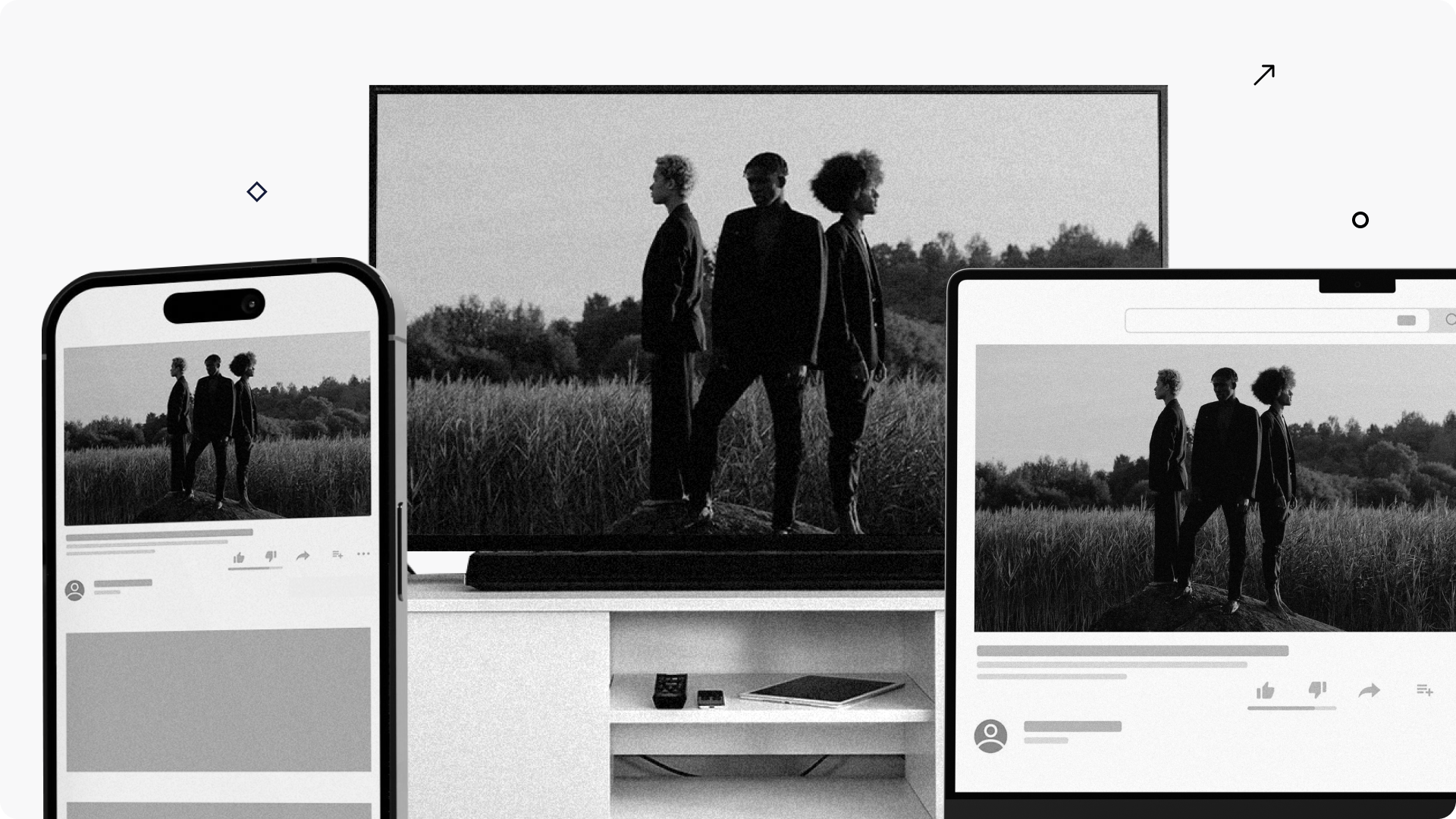
Today, video content is everywhere. Whether we’re scrolling through our phones, streaming our favorite shows, or watching a giant IMAX screen, video is a constant presence in our lives. And wherever audiences focus their attention, advertisers are present. With video content, they’re able to deliver great results.
Our Brand lift data confirms that video consistently outperforms other media for ad recall—scoring 5 points higher on average. This means more than viewers seeing video ads; they remember them—an essential component for long-term brand success.
So, what makes video so advantageous for advertisers? And how is it evolving to keep up with shifting consumer habits?
Why video works: Memory, emotion and brand impact
Video advertising isn’t just about visibility; it’s about creating meaningful brand connections. Compared to static formats, video is uniquely effective at:
-
Capturing attention quickly: Video ads are processed faster than images; they grab the viewer’s focus almost instantly.
-
Driving emotional engagement: Video generates stronger emotional responses than other media, directly correlating with higher purchase intent.
-
Improving brand perception: Our benchmarks show that video excels in boosting brand familiarity, image, and preference—all of which are key to long-term success.
Beyond awareness, video also delivers on performance-based KPIs. Over the past year, we saw a 5-point increase in attribution and interest versus 2023, proving that video’s impact is going from strength to strength.
But while video as a format is a strong performer, the question for advertisers is: Which type of video ad will deliver the right results?
TV advertising: The best perceived video format
For decades, TV was the undisputed king of video advertising. Even with the rise of digital channels, it remains a cornerstone of many marketing strategies.
TV’s enduring power comes from its established credibility and reach. It’s a format that people trust, and our data from measuring Brand lift confirms that TV ads are the best perceived among all video content, scoring an average of 3 points higher in interest and likeability than any other media.
TV ads create stronger emotional connections and brand trust than digital formats. It’s a particularly effective format for top-of-funnel objectives, such as increasing brand awareness and building perception.
But while TV remains highly effective, there are other formats that may be even more impactful for driving consumer action.
The rise of digital video: Performance and precision
The last decade has seen a dramatic shift in how audiences consume video, with online video (OLV) and connected TV (CTV) rapidly gaining ground. These formats offer precision targeting, interactivity, and measurable performance.
-
Connected TV (CTV) leads on impact: Our Brand lift data confirms that CTV is the most impactful video media overall—outperforming other formats in purchase intent and brand attribution.
-
Targeted video drives higher engagement: Consumers prefer ads that are relevant to them, highlighting the power of programmatic video buying.
-
Interactive features enhance performance: Interactive CTV ads can boost engagement; elements like QR codes, shoppable ads, and clickable overlays can significantly improve ad effectiveness.
The ability to combine brand storytelling with direct-response capabilities is what makes digital video so powerful. Advertisers looking to drive purchases should focus on OLV and CTV, where interactivity and data-driven targeting provide a direct path to conversion.
The takeaway: Video’s strength is still growing
Video advertising continues to evolve—resonating with increasingly fragmented audiences across a wide range of media and formats. From traditional TV to connected and interactive digital platforms, its ability to reach people at every touchpoint is only getting stronger.
Understanding how each format engages audiences is key to creating effective, impactful campaigns. Whether it’s the emotional pull of TV, the precision of OLV, or the interactivity of CTV, each plays a distinct role in building brands and driving results.
From Bulova’s first TV ad in 1941 to today’s data-driven and interactive campaigns, one thing remains true: video captures attention, builds lasting brand connections, and inspires action.
Book a demo