
While the primary goal of advertising is to promote brands and boost business growth, ads have also played a role in reflecting and sometimes shaping cultural norms. From the glossy pages of vintage magazines to the endless scrolling of today’s social media feeds, advertisements have been snapshots of the society’s values and aspirations.
Let’s take a lighthearted stroll down memory lane to see how advertising has both reflected and influenced seven significant societal shifts, all while keeping an eye on the bottom line.
The quest for the “perfect” body
Remember the days when every billboard and TV commercial showcased flawless airbrushed models with impossibly perfect physiques? The message was clear: perfection was the norm, and anything less was unacceptable. These images didn’t just sell products; they sold an ideal that encouraged consumers to aspire to—and spend money on—unattainable standards.

Fast forward to 2017, and ASOS’s “Go Play” campaign flips the script entirely. Featuring people of all sizes, shapes, and colors splashing vibrant makeup across their faces, the ad celebrates individuality and self-expression. While still aiming to drive sales, ASOS taps into a growing consumer desire for authenticity and shows that embracing who you are can be just as compelling a reason to engage with a brand.
Happiness beyond the shopping cart
There was a time when happiness was measured by the shiny new gadget you had or the sleek car you drove. Ads made it seem like happiness came from owning things, feeding a perpetual cycle of buying more. This approach effectively drove consumerism and brand loyalty.
Now, there’s a refreshing change. Brands are focusing on experiences, relationships, and personal well-being as the true treasures of life. Take Airbnb’s “Live There” campaigns, which highlight the magic of human connection and exploring new cultures. While still promoting their services, these ads remind us that happiness can’t always be packaged and gift-wrapped, subtly shifting the sales pitch toward meaningful experiences over mere possessions.
Redefining gender roles, one ad at a time
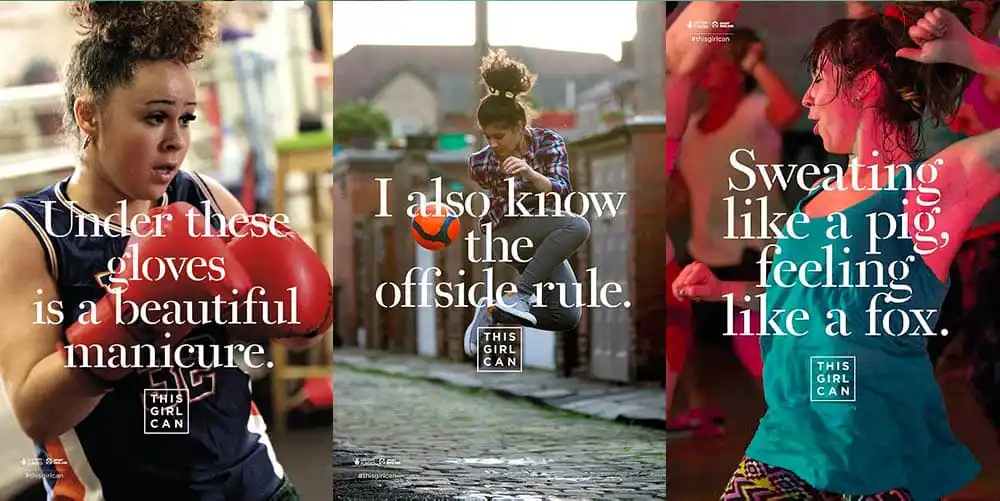
Gone are the days when advertising portrayed men as stoic breadwinners and where women were confined to domestic bliss. Modern advertising embraces a spectrum of roles that defy traditional norms. Take, for example, the “This Girl Can” campaign by Sport England, showcasing women of all ages and sizes sweating it out in different sports without a care in the world. While the campaign promotes physical activity, it also aligns the brand with progressive values, appealing to consumers who value brands that support empowerment.
Embracing the beauty of aging
A wrinkle here, a gray hair there—aging is a natural part of life, but ads have often treated it as something to fight against. The beauty industry has long pushed anti-aging products, reinforcing the idea that youth equals beauty. Now, there’s a positive shift. Brands are starting to celebrate the grace and wisdom that comes with age. Dove’s “Pro-Age” campaign, for example, shows women over fifty embracing their bodies and life experiences. While still marketing skincare products, the campaign resonates with a demographic that seeks authenticity over unattainable youthfulness.
Success: more than just dollar signs

Climbing the corporate ladder and accumulating wealth used to be the ultimate markers of success in advertising narratives. This narrative conveniently promoted luxury goods and services. Now, there’s a different story unfolding. Ads are focusing on personal happiness, work-life balance, and making a positive difference in society. Patagonia’s marketing, for instance, emphasizes protecting the environment and pursuing personal passions over simply making money. While they aim to sell outdoor gear, they’re also appealing to consumers’ values, redefining success in a way that aligns with their brand ethos.
Fear not! Optimism takes center stage
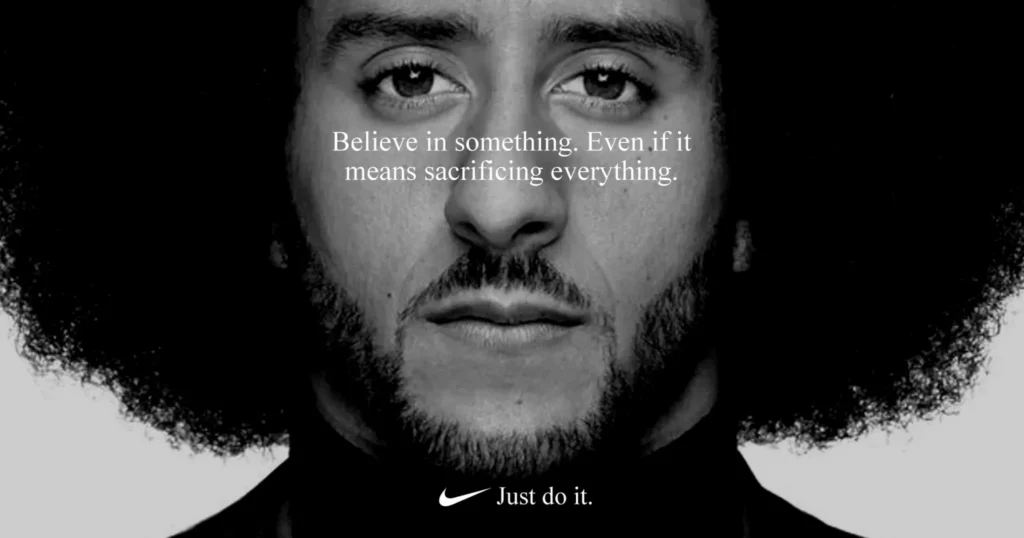
Fear-based advertising once preyed on insecurities—fear of rejection, fear of not fitting in—to push products. This tactic effectively drove purchases by exploiting fears. Fortunately, the tide is turning. Campaigns are now focusing on messages of empowerment and real benefits. Nike’s “Dream Crazy” ad featuring Colin Kaepernick encourages people to pursue their dreams against all odds. While the campaign sparked controversy, it also strengthened brand loyalty among consumers who value authenticity and social justice, proving that positive messaging can also drive business success.
From greenwashing to genuine green living

As environmental concerns grew, some brands jumped on the eco-friendly bandwagon without any real commitment—a practice known as greenwashing. Today, consumers are more savvy, and authenticity is key. Companies like Seventh Generation are transparent about their sustainable practices, and their ads reflect a genuine commitment to the planet. By aligning their marketing with their corporate values, they’re not only selling products, they’re building trust with eco-conscious audiences, which ultimately benefits their brand and the bottom line.
Conclusion
Advertising has undeniably evolved, reflecting and sometimes influencing shifts in our collective consciousness. While the core objective remains—to promote brands and drive business growth—ads are increasingly connecting with people on a deeper level, tapping into societal changes and values. As consumers become more discerning and demand authenticity, ad players are adapting, blending commercial objectives with messages that resonate personally.